
Understanding Why Early Screening Matters
Diabetes is becoming increasingly common in the Philippines, often developing silently before noticeable symptoms appear. Many individuals only discover the condition when complications have already started affecting their health. Early detection plays a crucial role in preventing long-term damage to vital organs such as the heart, kidneys, and eyes.
Regular health checks are no longer optional—they are essential. Being proactive about your well-being helps you stay in control and avoid unnecessary risks. Recognizing when to get screened can make a significant difference in managing or even preventing diabetes.
Common Warning Signs You Should Not Ignore
Frequent Thirst and Urination
One of the earliest indicators is persistent thirst paired with frequent trips to the bathroom. This happens because excess sugar in the bloodstream forces the body to work harder to flush it out.
Unexplained Fatigue
Feeling constantly tired despite getting enough rest may signal that your body is struggling to process glucose effectively.
Sudden Weight Changes
Unexpected weight loss or gain without changes in diet or activity levels could be linked to blood sugar imbalance.
Blurred Vision
High glucose levels can affect the eyes, causing temporary or even long-term vision problems if left unchecked.
Slow Healing of Wounds
Cuts or infections that take longer than usual to heal may indicate underlying issues with blood circulation and glucose control.
Who Should Consider Getting Tested?
Certain individuals are more at risk and should prioritize screening:
Family History
If diabetes runs in your family, your chances of developing it are higher.
Sedentary Lifestyle
Lack of physical activity can contribute to poor glucose regulation.
Unhealthy Diet
Frequent consumption of processed foods and sugary drinks increases risk over time.
Overweight or Obesity
Excess body weight is closely linked to insulin resistance.
When to Take Action
Midway through your health journey, it becomes important to seriously consider diabetes screening philippines services, especially if you notice any combination of the symptoms mentioned above. Waiting too long can complicate treatment and reduce your options for effective management.
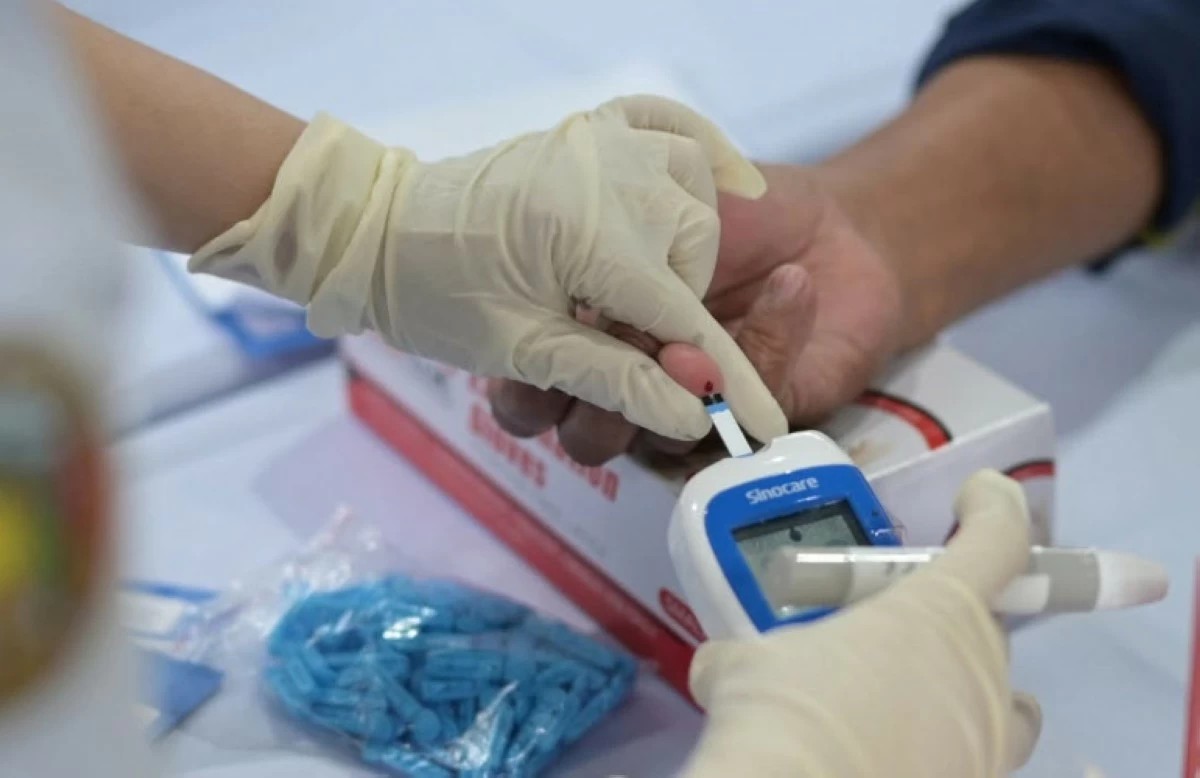
Likewise, scheduling a blood sugar test philippines can provide immediate insights into your current health status. These tests are quick, accessible, and widely available in clinics and diagnostic centers nationwide.
What to Expect During Screening
Simple and Quick Process
Most screenings involve a fasting blood sugar test philippines or a random glucose test, both of which require only a small blood sample.
Minimal Preparation
Depending on the type of test, you may need to fast for several hours beforehand.
Immediate Results
Some facilities offer same-day results, allowing you to take prompt action if needed.
Practical Steps You Can Take Today
Monitor Your Lifestyle
Start by evaluating your daily habits—diet, exercise, and sleep patterns all play a role in your overall health.
Schedule Regular Checkups
Do not wait for symptoms to worsen. Preventive care is always more effective than reactive treatment.
Stay Informed
Understanding your risk factors empowers you to make better decisions about your health.
Final Thoughts
Taking charge of your health does not require drastic changes overnight. It starts with awareness and small, consistent actions. Recognizing early warning signs and committing to regular screening can help you avoid serious complications. If something feels off, trust your instincts and seek professional guidance. Early detection remains your strongest defense against diabetes.