
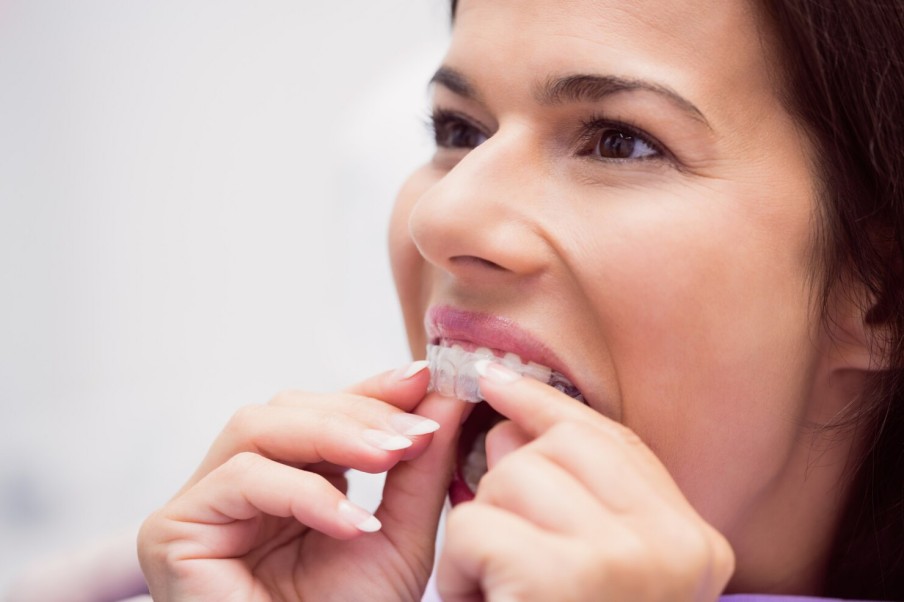
A mouth guard is more than a piece of protective equipment; it is a personal safety tool that directly influences performance, confidence, and long-term oral health. While many people focus on durability or price, comfort is the factor that determines whether a mouth guard will actually be worn consistently. An uncomfortable fit leads to distraction, reduced breathing efficiency, and a higher risk of abandoning protection altogether.
Athletes and active individuals often search for mouth guards for sports that promise universal compatibility. Yet, true protection begins only when the guard adapts naturally to the unique structure of the jaw and teeth. A well-fitted mouth guard feels like an extension of the mouth rather than a foreign object. This seamless integration allows users to speak, breathe, and perform without interruption, which is essential in both competitive and recreational settings.
When accidents occur due to ill-fitting protection, individuals frequently end up seeking emergency dentistry services for fractured teeth, jaw trauma, or soft tissue injuries. These situations highlight why comfort is not a luxury but a necessity. A properly fitted mouth guard prevents such emergencies by absorbing impact effectively and staying securely in place.
The Science Behind a Proper Fit
A proper fit ensures that pressure from impact is distributed evenly across the dental arch. When a mouth guard fits correctly, it stabilizes the jaw, cushions the teeth, and reduces stress on surrounding bone structures. Poorly fitted guards, on the other hand, shift during impact, allowing force to concentrate on specific teeth and increasing the risk of fractures.
Comfort also relates directly to muscle relaxation. When the jaw is not forced into an unnatural position, the facial muscles remain balanced, reducing fatigue during prolonged activity. This balance is particularly important for individuals who participate in endurance sports or extended training sessions.
Additionally, a well-fitted guard respects the natural contours of the gums, preventing irritation, ulcers, and inflammation. Over time, this preserves gum health and minimizes the likelihood of infections caused by friction and trapped bacteria.
How Comfort Influences Performance
Comfort determines consistency. If a mouth guard feels bulky, tight, or unstable, users subconsciously adjust it with their tongue or fingers, which breaks concentration. In high-speed or contact activities, even a moment of distraction can lead to serious injury.
A comfortable mouth guard supports:
- Clear breathing without airway obstruction
- Natural speech for communication during play
- Stable jaw positioning for better balance and control
When athletes are not preoccupied with discomfort, they perform with greater confidence and efficiency. Comfort transforms protection into a performance advantage rather than a limitation.
Psychological Confidence Through Proper Fit
The mind plays a powerful role in physical performance. Knowing that protective equipment fits correctly creates a sense of security that allows individuals to commit fully to their activity. This confidence reduces hesitation, improves reaction time, and supports fearless engagement.
An uncomfortable guard, by contrast, constantly reminds the user of vulnerability. The fear of it slipping or failing during impact undermines mental focus. Comfort, therefore, is not only a physical requirement but also a psychological reinforcement that supports peak performance.
Long-Term Oral Health Benefits
A properly fitted mouth guard protects more than just teeth. It safeguards the jaw joints, reduces enamel wear, and prevents micro-fractures that develop silently over time. These small cracks, if left unprotected, can evolve into major structural problems.
Comfortable fit also prevents chronic gum irritation. Continuous friction from poorly shaped guards can cause inflammation, leading to sensitivity and recession. Over time, this compromises the stability of the teeth and affects overall oral harmony.
By ensuring comfort, a mouth guard becomes a tool for preservation rather than merely protection.
Customization vs. Standard Options
Standard mouth guards offer basic coverage, but customization elevates comfort to an entirely different level. Custom-fitted designs adapt to individual bite patterns, jaw alignment, and tooth spacing. This precision ensures that the guard remains stable without excessive pressure.
Custom options provide:
- Superior retention without constant adjustment
- Balanced thickness for optimal shock absorption
- Smooth edges that prevent soft tissue injury
While standard guards may appear convenient, customized comfort delivers unmatched reliability and long-term satisfaction.
Maintenance and Comfort Longevity
Even the best-fitting mouth guard can lose comfort if not maintained properly. Regular cleaning prevents bacterial buildup that causes odor, irritation, and surface roughness. Proper storage protects the shape from distortion, preserving its original fit.
Simple care habits significantly extend comfort:
- Rinse after every use
- Store in a ventilated case
- Avoid exposure to excessive heat
When maintained well, a comfortable fit remains consistent, ensuring ongoing protection and satisfaction.
Comfort for Different Age Groups
Children, teenagers, and adults all require different comfort considerations. Growing jaws demand flexible solutions that adapt without causing pressure. Adults require stability that accommodates established dental structures. Seniors benefit from softer materials that protect sensitive gums and enamel.
Comfort must evolve with age, and selecting the right fit at each life stage ensures continuous oral safety and usability.
The Cost of Ignoring Comfort
Ignoring comfort often leads to inconsistent usage, which defeats the purpose of wearing a mouth guard altogether. The financial cost of replacing damaged teeth, undergoing corrective procedures, and managing chronic pain far exceeds the investment in proper fit.
Comfort, therefore, is not an added feature; it is the foundation of effective protection.
Comfort Is Protection in Its Purest Form
A mouth guard can only protect when it is worn willingly, consistently, and confidently. Proper fit ensures comfort, and comfort ensures commitment. From performance enhancement to long-term oral preservation, every benefit begins with how naturally the guard feels in the mouth.
By prioritizing comfort, individuals transform a simple protective device into a trusted companion for safety, confidence, and lasting oral health. In the world of protective equipment, comfort is not optional; it is essential.